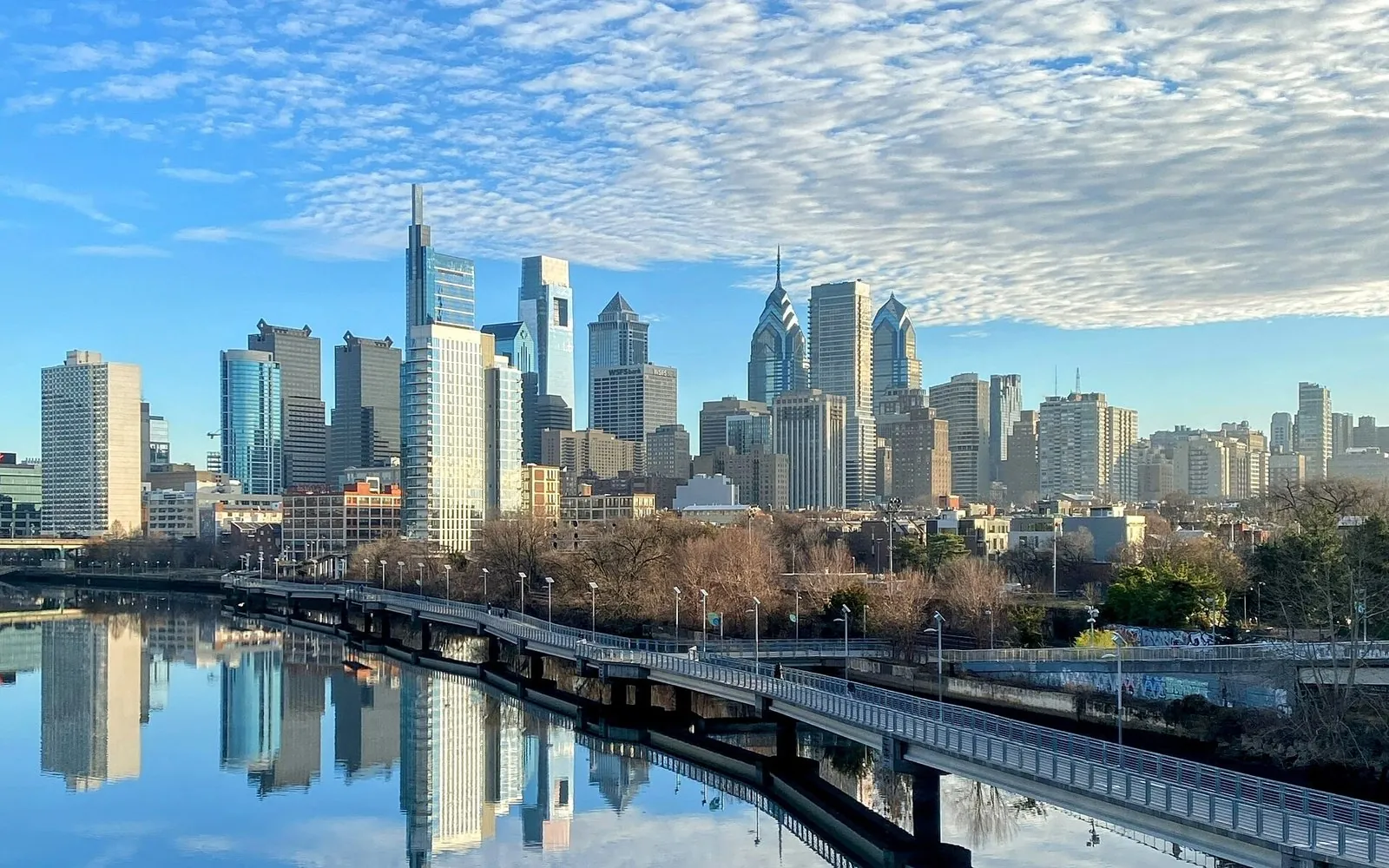
Philadelphia and Pittsburgh sit about five hours apart by car, at opposite ends of a state most first-time visitors underestimate. That distance is the first thing this Pennsylvania travel guide asks you to plan around. Pick one or two regions, base yourself well, and save the cross-state drive for a longer loop, and Pennsylvania pays you back with big-city museums, Amish farmland, mountain gorges and a Great Lakes beach, often within a couple of hours of each other.
Quick answer: For a first trip, choose one region: Philadelphia for history and food, Lancaster and Hershey for families, Pittsburgh and the Laurel Highlands for a city plus the outdoors, or the Poconos for resorts and lakes. Fly into Philadelphia (PHL) or Pittsburgh (PIT), take Amtrak between Philadelphia, Lancaster and Harrisburg, and rent a car for nearly everything else. May, June, September and October are the best months, and October adds fall color across the whole state.
Last updated October 1, 2026. Taxes, transit, rail, airport, park and hunting rules were checked between September 23 and October 1, 2026 against PennDOT, the Pennsylvania Turnpike, SEPTA, the TSA, the Pennsylvania Liquor Control Board, DCNR, the Pennsylvania Game Commission, NOAA, the City of Philadelphia and the attractions’ own sites.
- Taxes: sales tax is 6% statewide, 8% in Philadelphia and 7% in Allegheny County (Pittsburgh), and most clothing is exempt. Philadelphia hotels add 15.5% in room taxes.
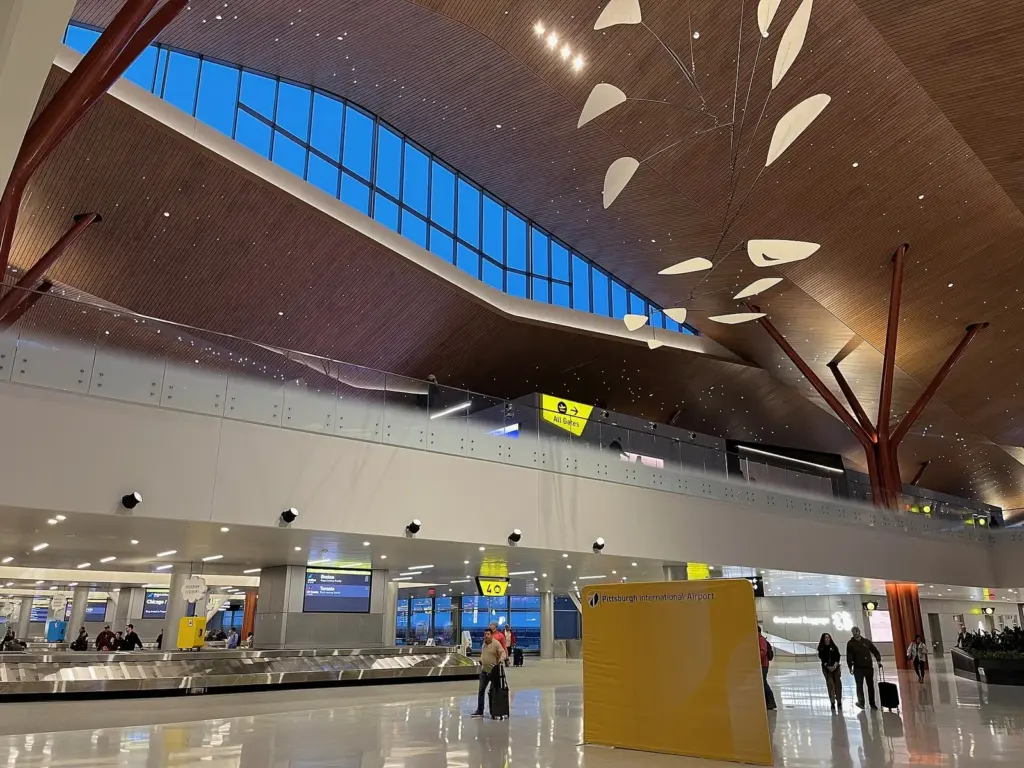
- Flying: you need a REAL ID or a passport for domestic flights. Pittsburgh’s new airport terminal opened on November 18, 2025.
- Trains: Amtrak’s Pennsylvanian between New York, Philadelphia, Harrisburg and Pittsburgh goes from one to two daily round trips in mid-November 2026.
- Driving: the Pennsylvania Turnpike is cashless. E-ZPass costs less than Toll By Plate, and highway-speed Open Road Tolling reaches the western Turnpike in January 2027.
- Outdoors: state parks are free to enter and park in. From October 1, 2026 to January 30, 2027, anyone on state game lands, hikers included, must wear fluorescent orange.
On this page: At a glance | Regions | How long to stay | Itineraries | Where to base | With kids | Seasons and weather | Getting there | Getting around | Costs | Practical rules | Mistakes | What’s changed | FAQ
Pennsylvania travel guide at a glance
Pennsylvania’s official tourism regions don’t match how most people travel, so we use the eleven areas visitors actually plan around. This table is the short version of everything below.
| Region | Best for | Base | Nearest airport | Best months |
|---|---|---|---|---|
| Philadelphia and the Countryside | History, museums, food | Center City Philadelphia | PHL | April to June, September to October |
| Lancaster County and Dutch Country | Farmland, Amish culture, family attractions | Lancaster or Strasburg | MDT or PHL | April to October |
| Hershey and Harrisburg | Hersheypark, chocolate, the state capital | Hershey | MDT | May to September; November to December |
| Gettysburg | Civil War history | Gettysburg | MDT or BWI | April to June, September to October |
| The Poconos | Resorts, lakes, waterparks, skiing | Mount Pocono area | AVP or ABE | June to October; winter for snow |
| Lehigh Valley | Historic Bethlehem, festivals, Christmas | Bethlehem | ABE | Year-round; December for Christmas |
| Pittsburgh | Neighborhoods, rivers, museums, sports | Downtown Pittsburgh | PIT | May to October |
| Laurel Highlands | Fallingwater, Ohiopyle, Flight 93 | Ohiopyle or Ligonier | PIT | May to October |
| Pennsylvania Wilds | Pine Creek Gorge, elk, dark skies | Wellsboro | None close; drive | May to October |
| Lake Erie | Beaches, Presque Isle, wine country | Erie | ERI | June to September |
| Northeast and Central | Penn State, Scranton, small-town weekends | State College or Scranton | SCE or AVP | May to October |
Pennsylvania’s regions: which one fits your trip
Each region below gets a one-line verdict, a base town and the fastest ways in. For the attractions themselves, our guide to things to do in Pennsylvania ranks the best 101, region by region. Drive times are free-flow estimates; add time on summer and October weekends.
1. Philadelphia and the Countryside
Best for: history, museums and food. Base: Center City. Give it 3 to 4 days. The country’s first capital packs Independence Hall, the Liberty Bell and the Constitution’s story into a few walkable blocks, then adds the Philadelphia Museum of Art (its name was restored in February 2026), Reading Terminal Market and neighborhoods built for eating. The countryside is the bonus: Valley Forge, Longwood Gardens in the Brandywine Valley and the river towns of Bucks County are all within an hour. You won’t need a car in Center City, but you will for the countryside.
Skip it if: you hate cities, crowds and parking garages. Even then, Valley Forge and Longwood are worth the detour.
Getting there: SEPTA Regional Rail’s Airport Line runs from PHL to 30th Street, Suburban and Jefferson stations, and taxis charge a flat $32.50 to Center City (as of September 2026). Amtrak’s Northeast Corridor trains stop at 30th Street Station. By car, it’s about 1 hour 45 minutes from New York, 2 hours from Baltimore and 2 hours 30 minutes from Washington.
2. Lancaster County and Dutch Country
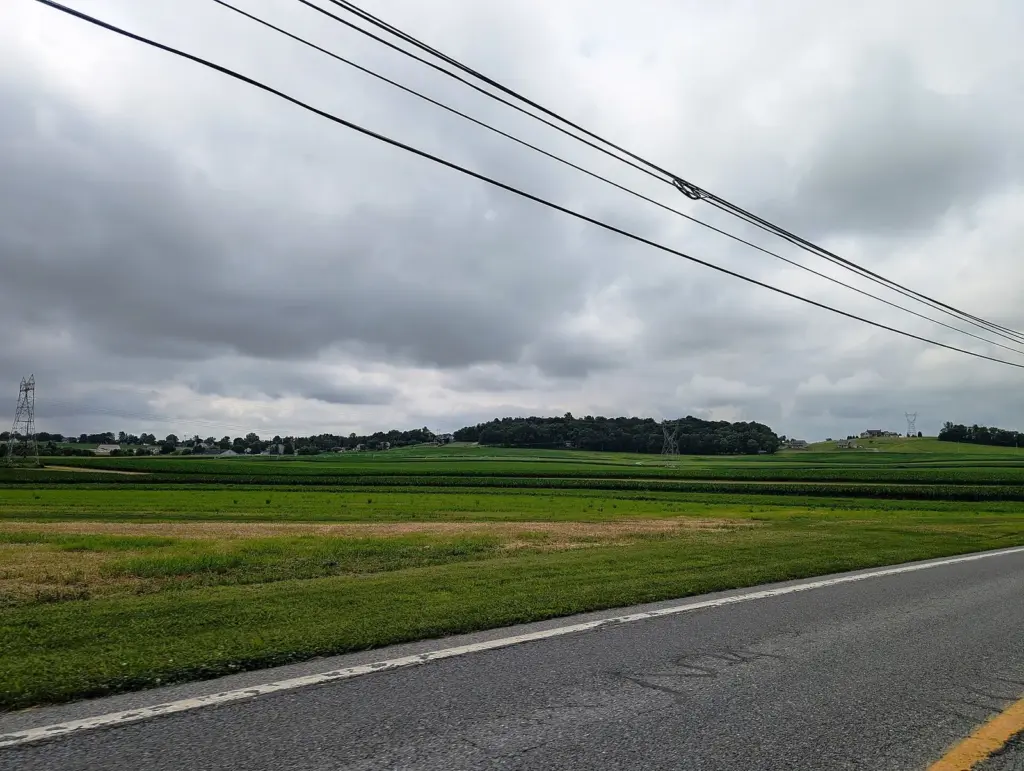
Best for: farmland, Amish culture and family attractions. Base: Lancaster city or Strasburg. Give it 2 to 3 days. Lancaster County is Pennsylvania’s best-known countryside: back roads through Amish and Mennonite farms, the Strasburg Rail Road’s steam trains, Sight & Sound’s big Biblical stage shows and Central Market, which bills itself as America’s oldest continuously operated public farmers market. Two things to plan around: some big draws, Central Market among them, are closed on Sundays, and the Plain communities are neighbors, not exhibits. Don’t photograph people without asking, and slow down for buggies.
Skip it if: you want nightlife or wilderness. Lancaster is pastoral, early to bed and busy on summer and fall weekends.
Getting there: Amtrak’s Keystone trains stop at Lancaster on the line between Philadelphia and Harrisburg. By car, Lancaster is about 1 hour 30 minutes from Philadelphia or Baltimore, 2 hours 15 minutes from Washington and 3 hours from New York.
3. Hershey and Harrisburg
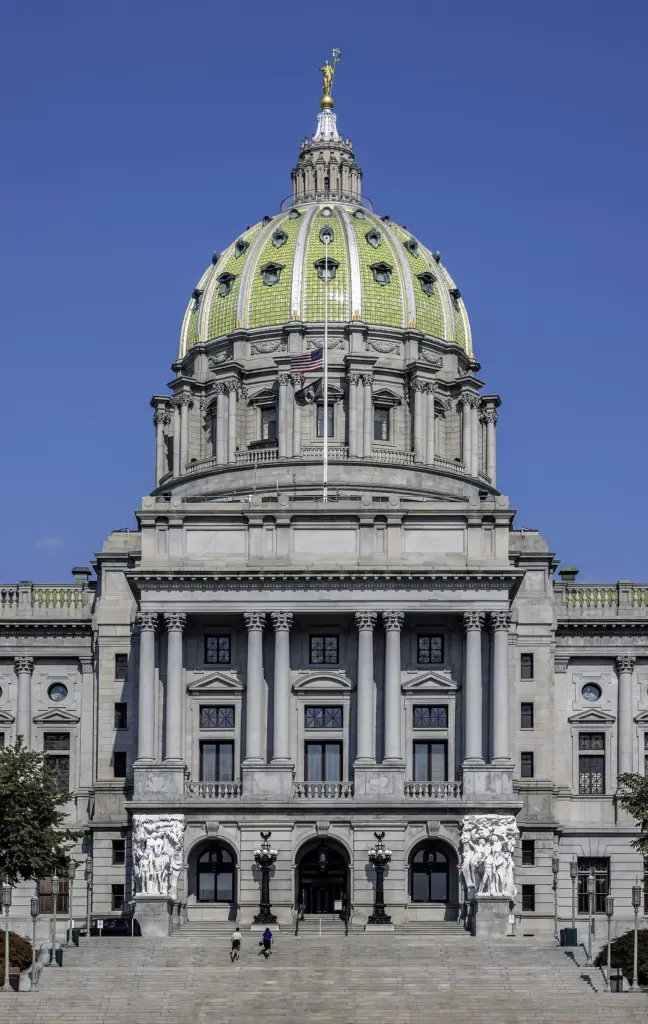
Best for: Hersheypark, chocolate and the state capital. Base: Hershey. Give it 2 days. Hershey is a company town built around a theme park and a chocolate factory, and the free tour ride at Hershey’s Chocolate World is the gentle place to start. Hersheypark has two changes to know: Tidal Force has closed for good, and the sooperdooperLooper is off until summer 2027 for its 50th anniversary. Harrisburg, 20 minutes west, has the Capitol and a riverfront, and in January the free Pennsylvania Farm Show (January 9 to 16, 2027).
Skip it if: you have no interest in theme parks or chocolate; Harrisburg alone makes a better stopover than a destination.
Getting there: Harrisburg International Airport (MDT) is the closest airport. Amtrak’s Keystone and Pennsylvanian trains stop in Harrisburg. By car, Hershey is about 1 hour 30 minutes from Baltimore, 1 hour 45 minutes from Philadelphia, 2 hours 15 minutes from Washington and 2 hours 45 minutes from New York.
4. Gettysburg
Best for: Civil War history. Base: Gettysburg. Give it 1 to 2 days. The battlefield and the Museum and Visitor Center building are free. A combined ticket for the film, the Cyclorama painting and the museum costs $20.75 for adults (as of September 2026), and battlefield roads open 30 minutes before sunrise and close 30 minutes after sunset. Treat it as what it is, a memorial landscape, and give yourself a full day for the auto tour.
Skip it if: history leaves you cold. Without the battlefield, the town is a pleasant main street and a lot of souvenir and ghost-tour shops.
Getting there: There’s no passenger train; Gettysburg is a drive. It’s about 1 hour 15 minutes from Baltimore, 1 hour 30 minutes from Washington, 50 minutes from Harrisburg and 2 hours 30 minutes from Philadelphia.
5. The Poconos
Best for: resorts, lakes, indoor waterparks and skiing. Base: the Mount Pocono area. Give it a long weekend. The Poconos built their fame on honeymoon resorts and still do resorts better than anywhere in the state, from couples’ suites to big indoor waterpark lodges. Summer brings lakes and the Delaware Water Gap; winter brings ski hills such as Camelback and Blue Mountain. Check before you book: Camelback’s outdoor Camelbeach waterpark was closed for summer 2026 (2027 season passes are on sale), and the Pocono Palace couples resort has closed.
Skip it if: you want a city’s food and culture. The Poconos are about the resort, the lake or the slope, and the restaurants are mostly a means to an end.
Getting there: The Poconos face New York: Mount Pocono is about 1 hour 45 minutes from Manhattan and 2 hours from Philadelphia. Wilkes-Barre/Scranton (AVP) and Lehigh Valley (ABE) are the nearest airports, and Newark is often easier for New York-area flights.
6. The Lehigh Valley
Best for: historic Bethlehem, festivals and Christmas. Base: Bethlehem. Give it 1 to 2 days. Bethlehem’s Moravian old town and the steel stacks beside it make an unusual pair, and the city leans hard into its “Christmas City” name: ArtsQuest’s Christkindlmarkt runs on weekends from November 13 to December 20, 2026. In August, Musikfest fills the streets (August 5 to 15, 2027). Easton and Allentown round out the valley, though Easton’s National Canal Museum is closed for the rest of 2026 while a bridge into its park is rebuilt.
Skip it if: you’re only passing through outside the holidays and Musikfest; Bethlehem’s old town is lovely but small enough for an afternoon.
Getting there: Lehigh Valley International Airport (ABE) sits between Allentown and Bethlehem. By car, Bethlehem is about 1 hour 15 minutes from Philadelphia and 1 hour 30 minutes from New York.
7. Pittsburgh
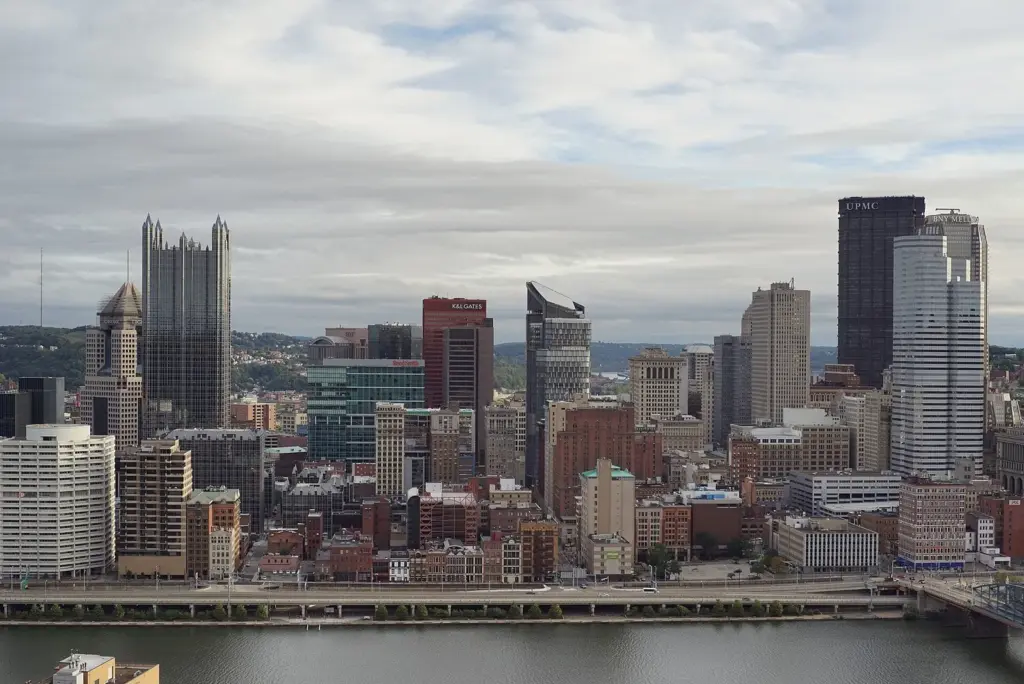
Best for: neighborhoods, rivers, museums and sports. Base: Downtown or the North Shore. Give it 2 to 3 days. Pittsburgh is the most underrated big city in the East: three rivers, 19th-century inclines up Mount Washington, the Andy Warhol Museum, the Carnegie museums and stadiums you can walk to from downtown. Names have changed lately, so update your notes: the science museum is now the Kamin Science Center, the zoo is the Pittsburgh Zoo & Aquarium, and Kennywood now belongs to Herschend, the family company behind Dollywood.
Skip it if: you’re only here for countryside. Even then, one night for the view from Mount Washington is hard to regret.
Getting there: Pittsburgh International (PIT) opened its new terminal on November 18, 2025. Amtrak’s Pennsylvanian arrives from New York, Philadelphia and Harrisburg. By car, it’s about 2 hours 15 minutes from Cleveland, 4 hours from Washington or Baltimore and 5 hours from Philadelphia.
8. The Laurel Highlands
Best for: Fallingwater, Ohiopyle and outdoor weekends. Base: Ohiopyle or Ligonier. Give it 2 days. Frank Lloyd Wright’s Fallingwater (closed Wednesdays; book ahead), whitewater and waterfalls at Ohiopyle, the free Flight 93 National Memorial and the ski resorts of Seven Springs and Hidden Valley share one ridge-top region southeast of Pittsburgh. It’s the best pairing in the state with a city break: two days in Pittsburgh, two in the mountains.
Skip it if: you need city comforts close by; the region is spread out, and Fallingwater tours need booking ahead.
Getting there: Fly into PIT; Ohiopyle is about 1 hour 45 minutes from Pittsburgh. Ligonier is about 3 hours 15 minutes from Washington or Cleveland.
9. The Pennsylvania Wilds
Best for: Pine Creek Gorge, elk and dark skies. Base: Wellsboro. Give it 2 to 3 days. This is the empty quarter of the state, in the best sense. Pine Creek Gorge, the “Pennsylvania Grand Canyon,” reaches 1,450 feet deep; wild elk graze around Benezette; and Cherry Springs State Park is famous for its dark night skies. Plan for long drives, patchy cell service and few gas stations after dark. One date to know: the Kinzua Bridge Skywalk closes again after October 31, 2026 for repairs scheduled to finish by fall 2027.
Skip it if: you have only a weekend from Philadelphia or New York. The drive eats most of it, so save the Wilds for three days or more.
Getting there: No major airport is close. By car, Wellsboro is about 2 hours 45 minutes from Harrisburg and about 4 hours 15 minutes from Philadelphia or New York.
10. Lake Erie
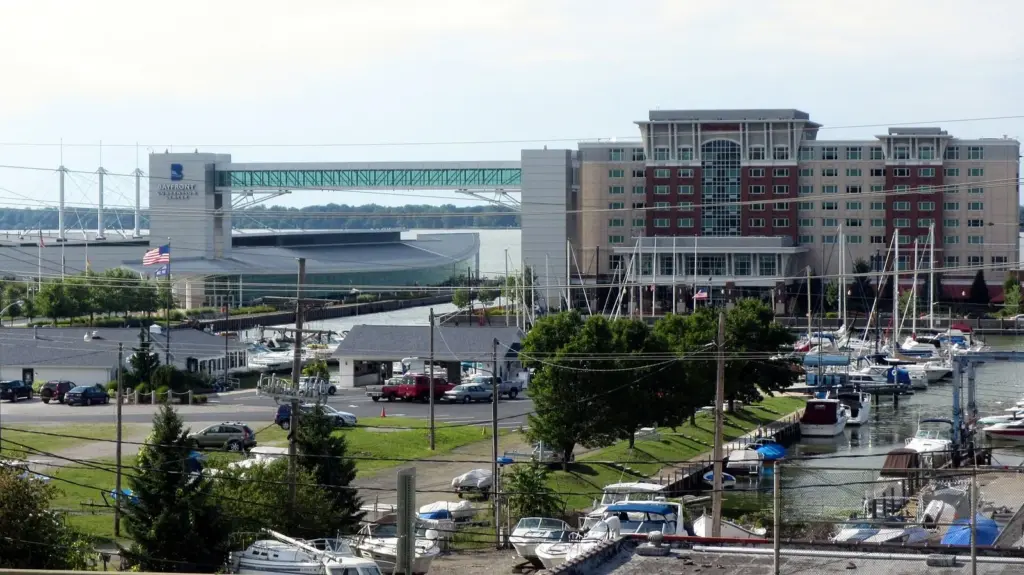
Best for: beaches, Presque Isle and wine country. Base: Erie. Give it 2 days in summer. Pennsylvania has a coastline, and Presque Isle State Park, a sandy peninsula a few miles west of downtown Erie, is where to use it. East of the city, Lake Erie Wine Country stretches about 53 miles along the shore. Come in summer: the same lake that makes July pleasant dumps about 104 inches of snow a year on Erie.
Skip it if: it’s winter and you don’t ski or ice fish; the lake effect buries Erie in about 104 inches of snow a year.
Getting there: Erie International (ERI) is small; Cleveland is about 1 hour 45 minutes away by car and Pittsburgh about 2 hours.
11. Northeast and Central Pennsylvania
Best for: Penn State, Scranton and small-town weekends. Base: State College or Scranton. Give it 1 to 2 days. State College runs on Penn State’s calendar, so football and graduation weekends fill hotels for miles. Scranton and Wilkes-Barre anchor the northeast, and in August the free Little League World Series fills South Williamsport. Knoebels, a family amusement park in Elysburg with free admission and parking, is the region’s sleeper hit.
Skip it if: it’s a Penn State home football weekend and you’re not going to the game. Prices and traffic say it all.
Getting there: State College (SCE) and Wilkes-Barre/Scranton (AVP) have the closest airports. By car, State College is about 3 hours from Baltimore and 4 hours from New York, and Scranton is about 2 hours from New York.
How many days to spend in Pennsylvania
A weekend: stick to one region. From New York, that means the Poconos, the Lehigh Valley or Philadelphia; from Washington or Baltimore, Gettysburg, Lancaster or Hershey; from Pittsburgh or Cleveland, the Laurel Highlands or Erie. Our list of weekend getaways in Pennsylvania has two-night plans for each.
Four or five days: pair neighbors. Philadelphia plus Lancaster works by train. Lancaster, Hershey and Gettysburg form a triangle around Harrisburg, each under an hour from the capital. Pittsburgh plus the Laurel Highlands is the western equivalent.
A week to ten days: cross the state. Fly into Philadelphia and out of Pittsburgh (or the reverse), and drive Philadelphia, Lancaster, Hershey, Gettysburg, the Laurel Highlands and Pittsburgh. In summer or fall, a northern loop through the Poconos, the Pennsylvania Wilds and Erie trades cities for forests and a lake. Either way, rent the car one way and accept the drop-off fee; backtracking five hours costs more.
Three sample Pennsylvania itineraries
These are the trips we’d plan for a first visit, built around realistic drive times and opening days. Swap in your own stops from the region sections above, or see our Pennsylvania weekend getaways for two-night versions.
Three days: Philadelphia and the Brandywine Valley
Day 1: start at the Liberty Bell (free, no ticket) and Independence Hall, which uses free timed tickets from Recreation.gov with a $1 fee each, then walk Old City. Lunch at Reading Terminal Market, open daily 8am to 6pm. Day 2: the Philadelphia Museum of Art and the Parkway in the morning, Eastern State Penitentiary in the afternoon, and dinner in South Philadelphia. Day 3: drive about 50 minutes to Longwood Gardens (timed tickets required; closed Tuesdays through November 1, 2026) or 35 minutes to Valley Forge, which is free and open from 7am until 30 minutes after sunset.
Five days: Lancaster, Hershey and Gettysburg
Days 1 and 2: base in Lancaster. Shop Central Market (Tuesday, Friday and Saturday, 6am to 3pm), ride the Strasburg Rail Road’s steam train, take a guided farmland tour, and book a Sight & Sound show on any day but Sunday. Day 3: drive 40 minutes to Hershey for the free Chocolate World tour ride and Hersheypark in season. Days 4 and 5: Gettysburg is an hour from Hershey. Start at the Museum and Visitor Center, then drive the battlefield, whose roads open 30 minutes before sunrise and close 30 minutes after sunset.
A week or more: across the state
Days 1 and 2: Philadelphia. Day 3: Lancaster, about 1 hour 30 minutes west. Day 4: Hershey and Harrisburg. Day 5: Gettysburg. Day 6: drive about 2 hours 45 minutes to Ligonier in the Laurel Highlands, stopping at the Flight 93 National Memorial, which is free and open sunrise to sunset. Day 7: Fallingwater (closed Wednesdays; book ahead) and Ohiopyle. Day 8: Pittsburgh, about 1 hour 45 minutes from Ohiopyle, then fly home from PIT. In October, time the Laurel Highlands days for peak fall color, which usually comes there in mid-October.
Where to base yourself
Pennsylvania trips go best with one or two bases rather than a new hotel every night. A few rules of thumb:
- Philadelphia: stay in Center City or Old City and walk; you’ll rarely need a car until you leave town.
- Lancaster County: Lancaster city has the restaurants and the train station; Strasburg and the villages east of the city put you among the farms and attractions.
- Hershey and Gettysburg: both are small enough that anywhere in town works, and Harrisburg works as a central base for both, 20 and 50 minutes away.
- The Poconos: decide on the experience first (an all-inclusive resort, a waterpark lodge, a lake rental or a ski-slope condo) and let it pick the town.
- Pittsburgh: downtown and the North Shore are walkable to the stadiums, the museums and the incline; the Strip District and Lawrenceville are better for food.
- The Laurel Highlands and the Wilds: Ligonier, Ohiopyle and Wellsboro are the classic bases, but rooms are limited, so book well ahead for October.
Pennsylvania with kids
Pennsylvania is one of the easiest family states in the East, and some of its best kid stops are free or close to it. Hershey’s Chocolate World tour ride costs nothing, Knoebels charges no admission or parking (you pay per ride), and every state park is free. Lancaster County’s Strasburg Rail Road, which calls itself America’s oldest short line railroad, runs a daily steam excursion through the farmland. In the Lehigh Valley, Crayola Experience in Easton is open every day of the year, and Dorney Park mixes coasters with a big water park. The Poconos have huge indoor waterparks: Great Wolf Lodge’s is kept at 84 degrees year-round, and Kalahari sells waterpark day passes. In Pittsburgh, the Children’s Museum and the Pittsburgh Zoo & Aquarium fill a rainy day, and near Philadelphia, Sesame Place is still operating while its owner and Sesame Workshop fight over the license in court. Our list of the best things to do in Pennsylvania sorts its 101 picks by region and by interest.
Pennsylvania’s seasons and weather
Pennsylvania has four real seasons, and they run differently by region. The southeast is warmest, the northern tier and the mountains are cooler, and Erie gets lake-effect snow on a scale the rest of the state doesn’t. These are NOAA’s 1991-2020 averages, in degrees Fahrenheit.
| City | January high / low | April high | July high / low | October high | Snow per year |
|---|---|---|---|---|---|
| Philadelphia | 41 / 26 | 65 | 88 / 70 | 67 | About 23 inches |
| Harrisburg (Middletown) | 39 / 23 | 64 | 87 / 68 | 66 | About 30 inches |
| Williamsport | 35 / 20 | 62 | 85 / 63 | 63 | About 36 inches |
| Pittsburgh | 36 / 21 | 62 | 83 / 63 | 63 | About 44 inches |
| Erie | 35 / 21 | 57 | 81 / 64 | 62 | About 104 inches |
Spring (March to May): mild days, blossoms and full waterfalls, with mud on the trails. The season opens with the Philadelphia Flower Show, March 12 to 21, 2027, in the Pennsylvania Horticultural Society’s 200th year. May is one of the two best months to visit anywhere in the state.
Summer (June to August): hot and humid in the southeast, with July highs near 88 degrees in Philadelphia, and noticeably cooler on Laurel Ridge and along Lake Erie. It’s peak season for theme parks, lakes, Presque Isle and the Poconos. August brings Musikfest in Bethlehem and the free Little League World Series in late August.
Fall (September to November): the best season, and the busiest. DCNR’s usual color peaks run October 1 to 10 in the north, October 10 to 20 in the center and October 20 to 31 in the south and southeast; our guide to where to see fall foliage in Pennsylvania tracks it week by week. Halloween is big here too: Eastern State Penitentiary’s Halloween Nights run on select nights from October 2 to November 7, 2026. Book October weekends early, and remember that hunting season starts in the woods.
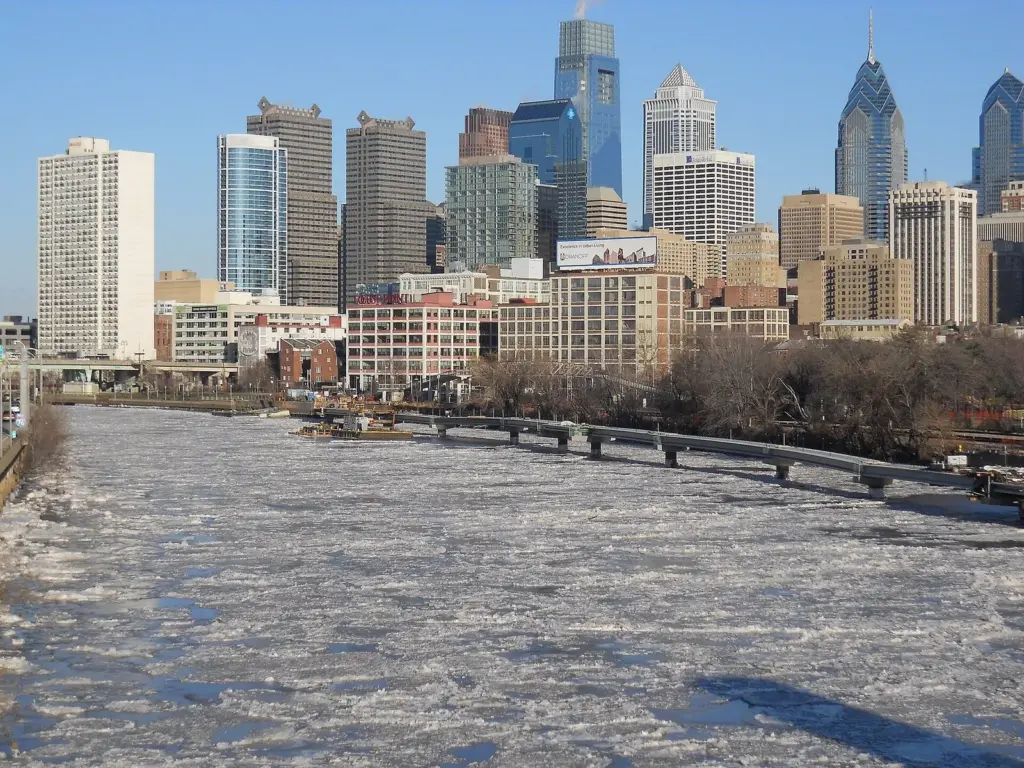
Winter (December to February): cold everywhere and snowy in the west and north. Ski PA, the state’s ski-area association, lists 21 member areas, from the Poconos to the Laurel Highlands. The holidays are the other draw: Hersheypark Christmas Candylane (select dates November 13, 2026 to January 3, 2027), the Bethlehem Christkindlmarkt and A Longwood Christmas, which starts November 20, 2026. The calendar continues with the Mummers Parade on New Year’s Day, the Farm Show in January and Groundhog Day in Punxsutawney on February 2, where alcohol is no longer allowed at Gobbler’s Knob.
Getting to Pennsylvania by air, rail and road
By air
Two big airports cover most trips: Philadelphia for the east and Pittsburgh for the west. The smaller ones save driving time if a fare works. Since May 7, 2025, domestic flights need a REAL ID or another accepted ID such as a passport; since February 1, 2026, travelers without one can pay a $45 TSA ConfirmID fee and risk delays.
| Airport | Code | Best for | Good to know |
|---|---|---|---|
| Philadelphia International | PHL | Philadelphia, Brandywine Valley, Bucks County, Lancaster | Regional Rail to Center City; flat $32.50 taxi fare to Center City (September 2026) |
| Pittsburgh International | PIT | Pittsburgh, Laurel Highlands | New terminal opened November 18, 2025 |
| Harrisburg International | MDT | Hershey, Harrisburg, Gettysburg, Lancaster | The closest airport to Hershey |
| Lehigh Valley International | ABE | Bethlehem, Allentown, the southern Poconos | Between Allentown and Bethlehem |
| Wilkes-Barre/Scranton International | AVP | The Poconos, Scranton | Closest to the northern Poconos |
| Erie International | ERI | Erie, Presque Isle | Small; compare fares with Cleveland |
| State College | SCE | Penn State, central Pennsylvania | Book early for football weekends |
| Newark, BWI and Cleveland | EWR, BWI, CLE | The Poconos (Newark), Gettysburg and York (BWI), Erie (Cleveland) | Out-of-state options that are often cheaper |
By train
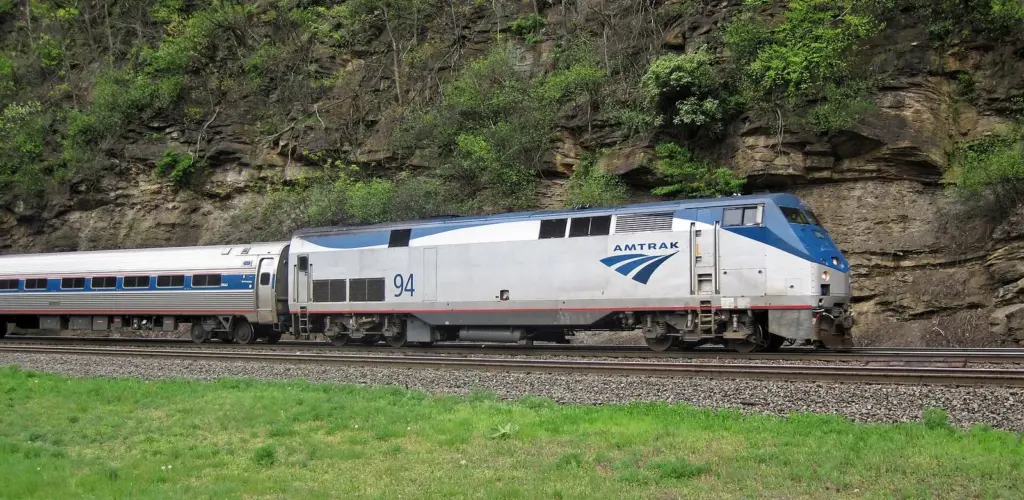
Amtrak is genuinely useful in Pennsylvania along one line. Northeast Corridor trains stop at Philadelphia’s 30th Street Station on the way between New York and Washington. Keystone Service trains run several times a day between Philadelphia and Harrisburg, stopping at Lancaster and other towns, and some continue to New York. West of Harrisburg, the Pennsylvanian climbs the Allegheny Front past Horseshoe Curve to Pittsburgh. It has run once a day; PennDOT says a second daily round trip between New York and Pittsburgh starts in mid-November 2026, with times to be published when Amtrak opens sales. Pittsburgh also has an overnight long-distance train toward Washington and Chicago; check Amtrak for its current name and schedule.
By car
Most visitors drive, and the distances below explain why. These are free-flow estimates; add time for weekend traffic on I-95, I-76 and I-80.
| To | From New York | From Washington | From Baltimore | From Cleveland |
|---|---|---|---|---|
| Philadelphia | 1 hr 45 min | 2 hr 30 min | 2 hr | 7 hr |
| Bethlehem | 1 hr 30 min | 3 hr 30 min | 2 hr 45 min | 6 hr 45 min |
| Mount Pocono | 1 hr 45 min | 4 hr 15 min | 3 hr 30 min | 6 hr |
| Lancaster | 3 hr | 2 hr 15 min | 1 hr 30 min | 6 hr |
| Hershey | 2 hr 45 min | 2 hr 15 min | 1 hr 30 min | 5 hr 30 min |
| Gettysburg | 3 hr 30 min | 1 hr 30 min | 1 hr 15 min | 5 hr 30 min |
| State College | 4 hr | 3 hr 30 min | 3 hr | 4 hr |
| Wellsboro | 4 hr 15 min | 5 hr | 4 hr 15 min | 5 hr |
| Ligonier | 5 hr 30 min | 3 hr 15 min | 3 hr 30 min | 3 hr 15 min |
| Pittsburgh | 6 hr | 4 hr | 4 hr | 2 hr 15 min |
| Erie | 7 hr | 6 hr | 6 hr | 1 hr 45 min |
Getting around once you’re here
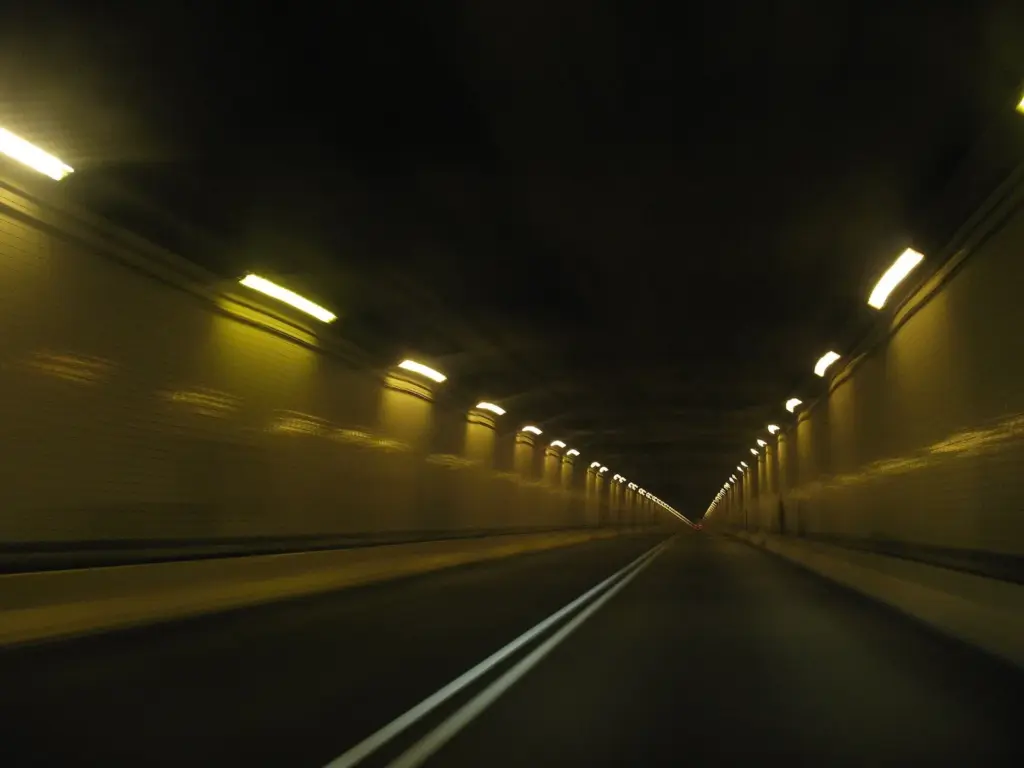
Driving. Outside Philadelphia and Pittsburgh, you need a car. The Pennsylvania Turnpike (I-76 across the south, I-476 north to Scranton) is fully cashless: you pay with E-ZPass or receive a Toll By Plate bill in the mail, which costs much more. Open Road Tolling, with highway-speed gantries instead of plazas, already runs east of Reading and on the Northeast Extension, and reaches the rest of the Turnpike in January 2027. Across the north, I-80 is toll-free and quieter. On rural roads, watch for deer at dawn and dusk, and in Lancaster County for horse-drawn buggies; pass them slowly and with plenty of room.
Philadelphia without a car. SEPTA runs buses, the Metro and Regional Rail, and you can tap a contactless bank card or phone to pay, or use a SEPTA Key card. The subway lines now go by letters: the Market-Frankford Line is the L, the Broad Street Line the B, and the trolleys are T1 to T5. Fares rose 21.5% in September 2025, and SEPTA’s 2026-27 budget, approved in June 2026, adds no new increases. From spring through fall, the PHLASH loop bus links the main sights for $5 a day (2026 fare).
Pittsburgh without a car. Pittsburgh Regional Transit’s light rail, the T, is free within downtown’s Free Fare Zone, from the North Shore to First Avenue. Both inclines up Mount Washington are running, though the Monongahela Incline has had unplanned closures, so check before you go.
Between cities without a car. The train works between Philadelphia, Lancaster, Harrisburg and Pittsburgh. Almost everything else, from Gettysburg to the Poconos to the Pennsylvania Wilds, really does need a car.
What a Pennsylvania trip costs
Pennsylvania is a fairly good-value state, especially if you lean on its free headliners. A lot of the best things cost nothing:
- State parks: no entrance or parking fee anywhere. You pay only for camping, cabins and rentals, which you can book up to 11 months ahead with a $6.50 transaction fee.
- National park sites: Valley Forge, the Gettysburg battlefield and the Flight 93 National Memorial charge no entrance fee. The Liberty Bell is free with no ticket, and Independence Hall uses free timed tickets with a $1 reservation fee.
- Free admission: Hershey’s Chocolate World and its tour ride, Knoebels (you pay per ride), the Little League World Series and the Farm Show’s general admission.
Typical paid costs, as of September 2026: Gettysburg’s film, Cyclorama and museum ticket is $20.75 for adults; Hersheypark parking is $25 a day; Hawk Mountain’s trail fee is $10 for adults. If you’re also heading to big western parks, the America the Beautiful pass now costs $80 for US residents and $250 for non-residents, but few Pennsylvania sites need it.
Hotels vary more by date than by brand. Philadelphia and Pittsburgh cost most on weekends with games, concerts and conventions; Hershey and the Poconos peak in summer and on holiday weekends; State College prices jump on Penn State football and graduation weekends; the Pennsylvania Wilds are cheapest but have few rooms, so book early for October.
Taxes are simple outside the two big cities. Sales tax is 6% statewide, 8% in Philadelphia and 7% in Allegheny County, and Pennsylvania exempts most clothing, along with groceries that aren’t ready to eat. Philadelphia hotel rooms carry 15.5% in taxes (the city’s 8.5% plus 7% state and local), so compare room rates with tax included.
Practical rules and local quirks
Buying alcohol. Pennsylvania runs its own liquor stores. Wine and spirits are sold at the state’s 560 Fine Wine & Good Spirits stores; licensed restaurants and hotels with wine permits, which include some supermarkets and convenience stores, can sell up to three liters of wine to go per transaction; and since 2024, grocery stores and gas stations can sell ready-to-drink cocktails. Beer comes from beer distributors, bars and licensed stores. It’s less strange than it sounds once you know where to look.
Hunting season. Pennsylvania’s woods are shared with hunters from fall into winter. From October 1, 2026 to January 30, 2027, non-hunters on state game lands must wear a fluorescent orange hat or 250 square inches of orange, and 2026-27 is the first season with hunting on every Sunday in season. Wear orange on any wooded trail in November and December.
Drones. In state parks, DCNR allows drones only at six designated flying sites, so leave yours in the car unless you’ve checked.
Amish and Mennonite country. Ask before photographing anyone, treat farm lanes as private property, and don’t expect Sunday hours.
The convenience-store question. Eastern Pennsylvanians stop at Wawa and western ones at Sheetz, and both sell made-to-order food. Pick a side quietly.
Ticks. The Pennsylvania Department of Health estimates the state may see around 100,000 Lyme disease cases a year. Use repellent and check yourself after any walk in the woods or tall grass.
What to pack. Layers in every season, because the ridges and the north run cooler than Philadelphia; a rain jacket, since NOAA averages about 3 to 4.5 inches of rain a month in Philadelphia; shoes that handle brick sidewalks and Old City cobblestones; insect repellent; an orange hat from October to January if you plan to hike; and a REAL ID or passport if you’re flying.
Time zone and cell service. The whole state is on Eastern time. Coverage is good in the cities and along the interstates but patchy in the Pennsylvania Wilds and deep river gorges, so download maps before you go.
Mistakes first-time visitors make
- Trying to do Philadelphia and Pittsburgh in one weekend. They’re about five hours apart by car. Pick one, or give the trip a week.
- Planning Lancaster around a Sunday. Sight & Sound has no Sunday shows and Central Market is closed, and many Plain-community businesses don’t open at all.
- Paying Toll By Plate. On the cashless Turnpike, the mailed bill costs much more than E-ZPass. If you have E-ZPass at home, bring it; if you’re renting, ask how the company handles tolls before you drive off.
- Arriving without timed tickets. Longwood Gardens requires them, Independence Hall uses them, and October and Christmas weekends sell out.
- Chasing places that are gone. Centralia’s Graffiti Highway was buried under dirt in 2020 and much of the land is private; Roadside America closed the same year; the Kutztown Folk Festival is over.
- Forgetting hunting season. From October through January, wear orange on wooded trails, and remember that hunting is now allowed on Sundays in season.
- Counting on your phone in the north. Download maps and fill the tank before heading into the Pennsylvania Wilds.
What’s changed for 2026 and 2027
Guidebooks and old blog posts are out of date on these, so here’s the current picture as of October 1, 2026:
- Names: the Philadelphia Museum of Art kept its name after a brief 2025 rebrand was reversed in February 2026. The Wells Fargo Center is now the Xfinity Mobile Arena, and Pittsburgh’s science museum is the Kamin Science Center.
- Transport: PIT’s new terminal is open, the second daily Pennsylvanian starts in mid-November 2026, SEPTA’s subway lines use letters, and western Turnpike tolling changes in January 2027.
- Theme parks: Hersheypark’s Tidal Force is gone and the sooperdooperLooper returns in summer 2027; Herschend now owns Kennywood, Idlewild and Sandcastle; Camelbeach was closed for 2026; and Hershey Sweet Lights isn’t running in 2026.
- Closed or gone: the Kutztown Folk Festival ended after 2024, Harley-Davidson’s York factory tours are closed, Roadside America shut in 2020, and the Pocono Palace resort has closed. Glen Onoko Falls and Dingmans Falls are closed with no reopening dates.
- Seasonal: the Kinzua Bridge Skywalk closes after October 31, 2026 until fall 2027, and the America250 celebrations of 2026 are over.
Pennsylvania travel guide FAQ
How many days do you need for a Pennsylvania trip?
A weekend covers one region well, such as Philadelphia, Lancaster or the Poconos. Four or five days lets you pair neighbors, like Lancaster, Hershey and Gettysburg. To cross the state from Philadelphia to Pittsburgh with stops in between, plan on a week to ten days, flying into one city and out of the other.
Do you need a car to visit Pennsylvania?
Only if you leave the big cities, and most visitors do. Philadelphia and downtown Pittsburgh work on foot and transit, and Amtrak links Philadelphia, Lancaster, Harrisburg and Pittsburgh. Gettysburg, the Poconos, the Laurel Highlands, the Pennsylvania Wilds and most of Lancaster County’s countryside need a car.
What is the best month to visit Pennsylvania?
October is the favorite: cool weather, fall color from early October in the north to late October in the southeast, and harvest and Halloween events. May and June are close behind, with mild days and fewer crowds. Summer suits lakes, theme parks and Erie’s beaches; winter suits skiing and holiday events.
Which airport is best for a Pennsylvania vacation?
Philadelphia International (PHL) for Philadelphia, Lancaster and the southeast, and Pittsburgh International (PIT) for Pittsburgh and the Laurel Highlands. Harrisburg (MDT) is closest to Hershey and Gettysburg, Allentown’s ABE and Scranton’s AVP serve the Poconos, and Newark, BWI and Cleveland are useful out-of-state alternatives.
What is the sales tax in Pennsylvania?
The state sales tax is 6%. Philadelphia adds 2% for a total of 8%, and Allegheny County, which includes Pittsburgh, adds 1% for 7%. Most clothing and groceries that aren’t ready to eat are exempt. Hotel taxes are separate; in Philadelphia they total 15.5%.
Can you buy alcohol in Pennsylvania grocery stores?
Some. Wine and spirits are mainly sold at state-run Fine Wine & Good Spirits stores, but supermarkets and convenience stores with the right licenses can sell beer and up to three liters of wine per transaction, and since 2024 grocery stores and gas stations can sell ready-to-drink cocktails.
Is Pennsylvania expensive to visit?
Less than its neighbors on the coast, as a rule. State parks are free, major national sites like Valley Forge and Gettysburg charge no entrance fee, and many attractions cost under $25. Hotels in Philadelphia and around big events are the main expense, along with Philadelphia’s 15.5% hotel taxes.
Related Pennsylvania Guides
- The 101 best things to do in Pennsylvania: the attractions in every region, ranked.
- Pennsylvania weekend getaways: two-night trips from Philadelphia, Pittsburgh, New York and Washington.
- Pennsylvania fall foliage: peak dates, drives and the best places for color.
Sources and How We Checked
Everything on this page was checked between September 23 and October 1, 2026 against the official sources below and compiled from them; we don’t claim first-hand visits. Drive times are free-flow estimates from OpenStreetMap-based routing (the Valhalla engine), rounded to the nearest 15 minutes. Weather figures are NOAA’s 1991-2020 climate normals.
- PennDOT, expanded Pennsylvanian service (August 24, 2026).
- Pennsylvania Turnpike, Open Road Tolling.
- TSA, REAL ID and the ConfirmID fee.
- City of Philadelphia, hotel tax, plus the Pennsylvania Department of Revenue’s sales tax guidance.
- Pennsylvania Liquor Control Board and its wine expanded permit rules.
- NOAA, U.S. Climate Normals for Philadelphia, Harrisburg, Williamsport, Pittsburgh and Erie.
- Pennsylvania Game Commission, 2026-27 seasons, plus DCNR’s state park rules.
Transit details come from SEPTA, Pittsburgh Regional Transit and the Philadelphia Visitor Center; attraction prices and dates come from the National Park Service, Hersheypark, Hawk Mountain, ArtsQuest, PHS and the other operators named, as last checked in September 2026.
Pennsylvania Tourism Guide is an independent publication. We are not affiliated with PennDOT, the Pennsylvania Turnpike Commission, Amtrak, SEPTA, Pittsburgh Regional Transit, any airport, the PLCB, DCNR, the Pennsylvania Game Commission or any attraction named here, and no one paid to be included.
Photo Credits
- Philadelphia skyline from the South Street Bridge: photo by Mefman00, via Wikimedia Commons (CC BY-SA 4.0)
- Farmland off PA 772, Lancaster County: photo by Mr. Matté (if there is an issue with this image, contact me using this image's Commons talk page, my Commons user talk page, or my English Wikipedia user talk page; I'll know about it a lot faster), via Wikimedia Commons (CC BY-SA 4.0)
- Pennsylvania State Capitol, Harrisburg: photo by Acroterion, via Wikimedia Commons (CC BY-SA 4.0)
- Pittsburgh skyline from Mount Washington: photo by Dllu, via Wikimedia Commons (CC BY-SA 4.0)
- Bayfront Convention Center, Erie: photo by Bohao Zhao, via Wikimedia Commons (CC BY 3.0)
- Frozen Schuylkill River, Philadelphia: photo by Shuvaev, via Wikimedia Commons (CC BY-SA 3.0)
- Pittsburgh International Airport new terminal: photo by Antony-22, via Wikimedia Commons (CC BY-SA 4.0)
- Pennsylvanian on Horseshoe Curve: photo by James St. John, via Wikimedia Commons (CC BY 2.0)
- Allegheny Mountain Tunnel, Pennsylvania Turnpike: photo by Andrew Bossi, via Wikimedia Commons (CC BY-SA 2.5)